The Ultimate Guide To Companion Planting For Pomegranate
The Ultimate Guide to Companion Planting for Pomegranate
Pomegranates are a delicious and versatile fruit that can be enjoyed in a variety of ways. They are also relatively easy to grow, making them a popular choice for home gardeners.
One of the best ways to ensure a healthy and productive pomegranate tree is to plant it with companion plants. Companion planting is the practice of planting different types of plants together that benefit each other in some way.
There are many different companion plants that can be grown with pomegranates. Some of the most beneficial include:
- Herbs: Herbs such as dill, fennel, and mint can help to repel pests and attract pollinators.
- Fruit trees: Fruit trees such as lemons, grapefruits, and melons can help to improve the pollination of pomegranates.
- Flowers: Flowers such as lavender, cosmos, and zinnias can help to attract pollinators and repel pests.
- Vegetables: Vegetables such as beans, peas, and clover can help to fix nitrogen in the soil, which can benefit the pomegranate tree.
When choosing companion plants for your pomegranate tree, it is important to consider the following factors:
- Climate: The companion plants you choose should be suited to the climate in your area.
- Soil type: The companion plants you choose should be compatible with the soil type in your garden.
- Pollination: If your pomegranate tree is not self-pollinating, you will need to plant it with a companion plant that will help with pollination.
Once you have chosen your companion plants, it is important to plant them in the correct location. The companion plants should be planted near the pomegranate tree, but not too close. The ideal spacing will vary depending on the size of the plants.
In addition to planting companion plants, there are other things you can do to help your pomegranate tree thrive. These include:
- Watering: Pomegranate trees need regular watering, especially during the summer months.
- Fertilizing: Pomegranate trees need to be fertilized annually. The best time to fertilize is in the spring.
- Pruning: Pomegranate trees should be pruned in the winter. This will help to keep the tree healthy and productive.
By following these tips, you can help your pomegranate tree thrive and produce delicious fruit for years to come.
Pomegranates are beautiful and delicious fruits that can be grown in many parts of the world. But did you know that there are certain plants that can help to improve the growth and productivity of your pomegranate tree? These are known as companion plants, and they can provide a number of benefits, including:
- Attracting pollinators: Bees, butterflies, and other pollinators are essential for a healthy pomegranate tree. Companion plants that attract these insects can help to ensure that your tree is properly pollinated, which will lead to more fruit.
- Reducing pests and diseases: Some companion plants can help to repel pests and diseases that can damage pomegranate trees. For example, nasturtiums are a good companion plant for pomegranates because they help to deter aphids.
- Improving soil health: Companion plants can help to improve the overall health of the soil around your pomegranate tree. This can lead to better drainage, more nutrients, and a more favorable environment for the tree to grow.
If you're interested in learning more about companion plants for pomegranates, I recommend visiting Gardenia Inspiration. This website has a wealth of information about companion planting, including a list of specific plants that are good for pomegranate trees.
FAQ of companion plants for pomegranate
Q: What are some good companion plants for pomegranate?
A: There are many good companion plants for pomegranate, but some of the most popular include:
- Herbs: Dill, fennel, mint, basil, and parsley all attract pollinators, which can help to improve pollination and fruit production in pomegranate trees.
- Flowers: Nasturtiums, marigolds, and sunflowers also attract pollinators, and they can also help to repel pests such as aphids and spider mites.
- Fruit trees: Other fruit trees, such as citrus trees and apple trees, can help to attract pollinators and provide shade for pomegranate trees.
Q: How do companion plants benefit pomegranate trees?
A: Companion plants can benefit pomegranate trees in a number of ways, including:
- Attracting pollinators: Pollinators are essential for fruit production in pomegranate trees, and companion plants that attract pollinators can help to improve pollination and fruit yield.
- Reducing pest pressure: Some companion plants can help to repel pests, such as aphids and spider mites. This can help to protect pomegranate trees from damage and reduce the need for pesticides.
- Improving soil health: Some companion plants can help to improve soil health by adding nutrients, breaking down organic matter, and suppressing weeds. This can benefit pomegranate trees by providing them with a healthier growing environment.
Q: How close should companion plants be planted to pomegranate trees?
A: The ideal spacing for companion plants will vary depending on the specific plants involved, but in general, companion plants should be planted within 3-6 feet of pomegranate trees. This will allow the plants to benefit from each other's proximity without competing for resources.
Q: What are some common mistakes to avoid when planting companion plants with pomegranate trees?
A: Some common mistakes to avoid when planting companion plants with pomegranate trees include:
- Planting too many companion plants: Too many companion plants can crowd out pomegranate trees and reduce their productivity.
- Planting incompatible companion plants: Some companion plants can be harmful to pomegranate trees, so it is important to do your research before planting.
- Not watering enough: Companion plants and pomegranate trees both need regular watering, so it is important to make sure that both plants are getting enough water.
Image of companion plants for pomegranate
- Nasturtiums: Nasturtiums are a great companion plant for pomegranates because they repel aphids, which can be a problem for pomegranate trees. They also attract beneficial insects, such as ladybugs and lacewings, which help to control pests.
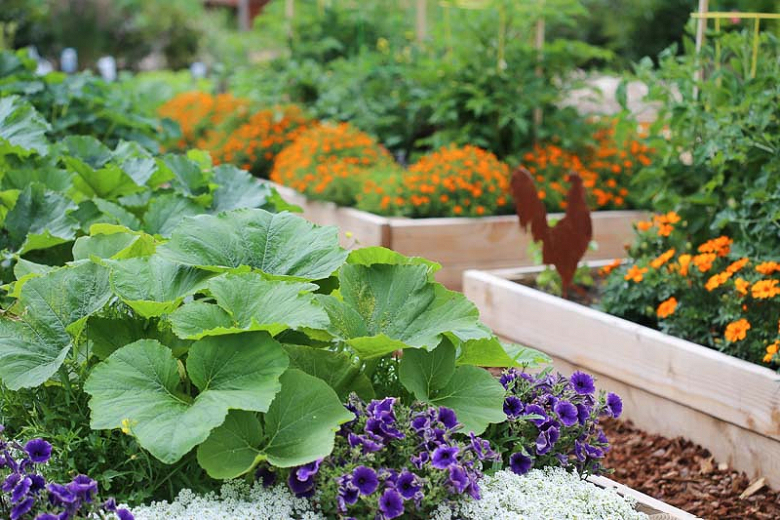
- Melon: Melons are another good companion plant for pomegranates because they attract bees, which help to pollinate the pomegranate flowers. They also help to improve the soil quality around the pomegranate tree.
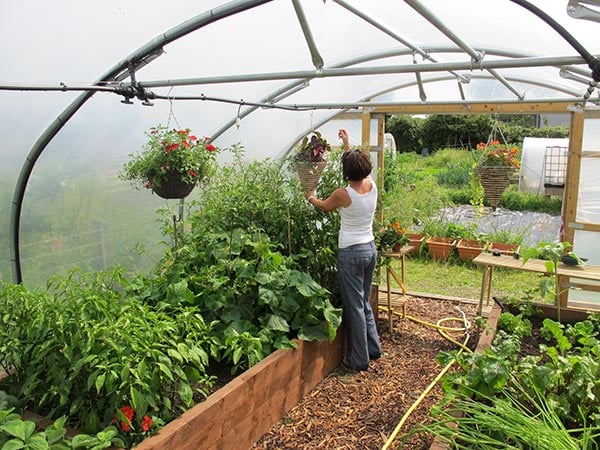
- Fennel: Fennel is a good companion plant for pomegranates because it helps to deter pests, such as ants and nematodes. It also helps to improve the soil drainage around the pomegranate tree.
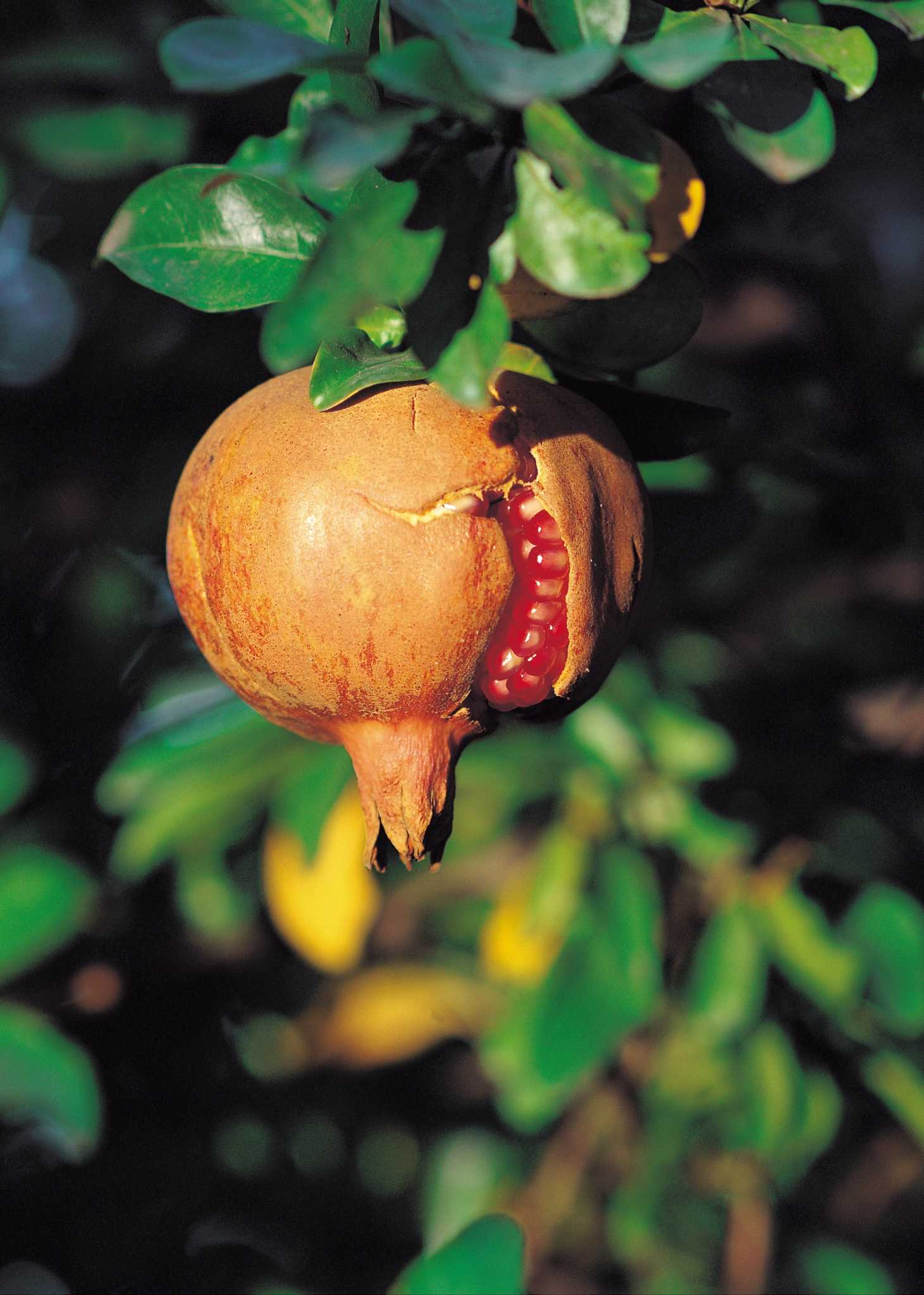
- Dill: Dill is a good companion plant for pomegranates because it helps to attract pollinators, such as bees and butterflies. It also helps to improve the soil quality around the pomegranate tree.
- Basil: Basil is a good companion plant for pomegranates because it helps to repel pests, such as mosquitoes and flies. It also helps to improve the flavor of the pomegranate fruit.

Post a Comment for "The Ultimate Guide To Companion Planting For Pomegranate"